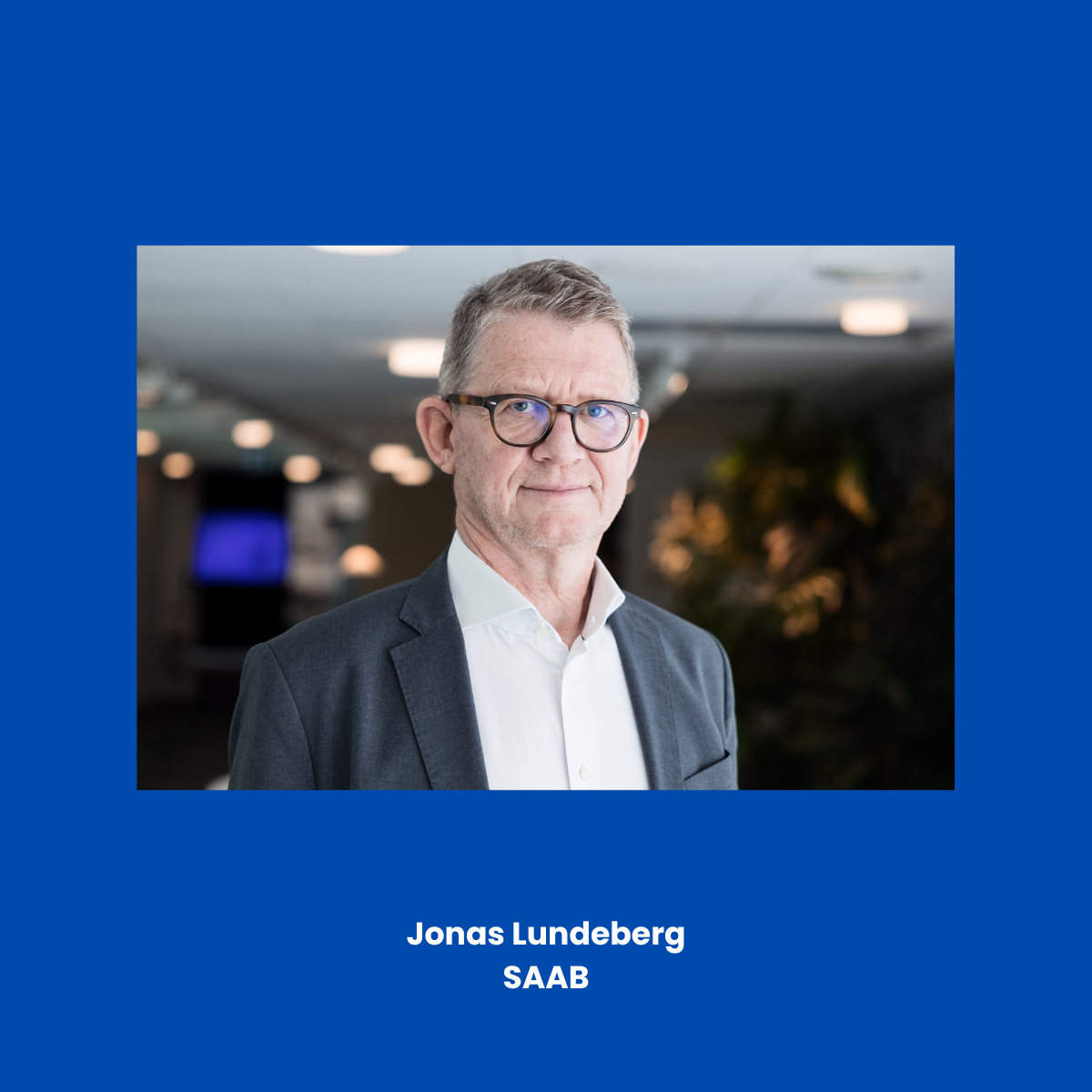
“We were a founding partner of C-Leanship from the start in 2011 because we want to help transform the maritime industry to reduce its carbon footprint, and limit the spread of invasive species.” – Jonas Lundeberg, Head of Ventures & Special Projects, Saab
Hi, Saab Ventures here:
We’re the second of three C-Leanship investors sharing our insights on the shipping industry’s challenges and why we’re backing C-Leanship to be part of the solution.
Shipping is, in many ways, a conservative industry where change is slow. While the International Maritime Organization (IMO) has set emissions reduction targets, they aren’t yet law, and our investment in CLS is one way we can drive sustainability in shipping today.
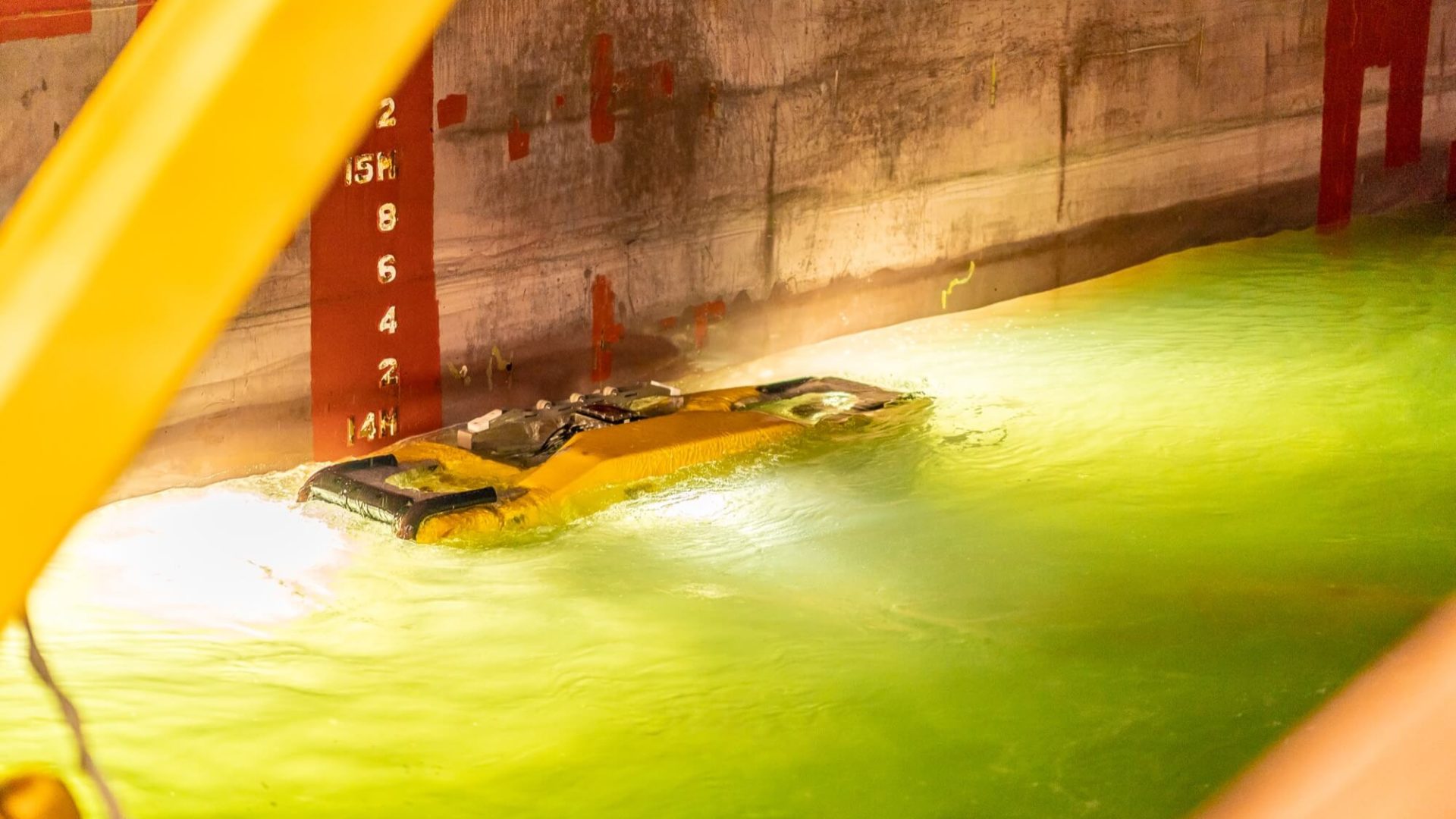
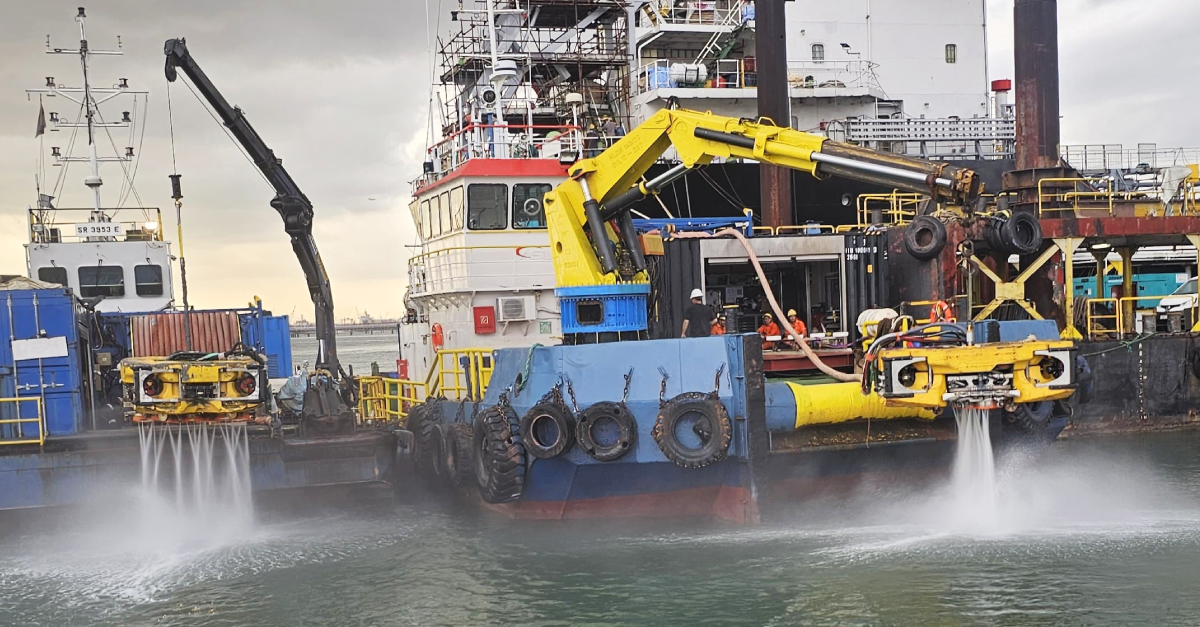
C-Leanship’s ROV is built on our technology and aligns perfectly with our mission to leverage our cutting-edge solutions to create value in new markets outside our core business.
So how can C-Leanship contribute to a more sustainable shipping industry?
🔸 Immediate fuel savings and emissions cuts: Hull cleaning can reduce CO2 by a significant 6-8 tons per day per ship—an urgent need as international shipping accounts for roughly 2% of global energy-related CO2 emissions.
🔸 Staying ahead of the curve on targets: IMO’s revised emissions targets are aligned with the Paris Agreement but are not yet legally binding. To reach the agreement’s zero emissions goal in 2050, the targets will have to be enforced, and when they are, the market for C-Leanship’s solutions will expand dramatically.
🔸 Supporting collaborative sustainability efforts: Reaching net-zero requires a nearly 15% emissions reduction from 2022 levels by 2030. This will require supportive policies, technological innovations such as C-Leanship’s ROV, and collaboration across the value chain.
In short, we are very proud to help transform the shipping industry into being more sustainable and aligned with the Paris Agreement.